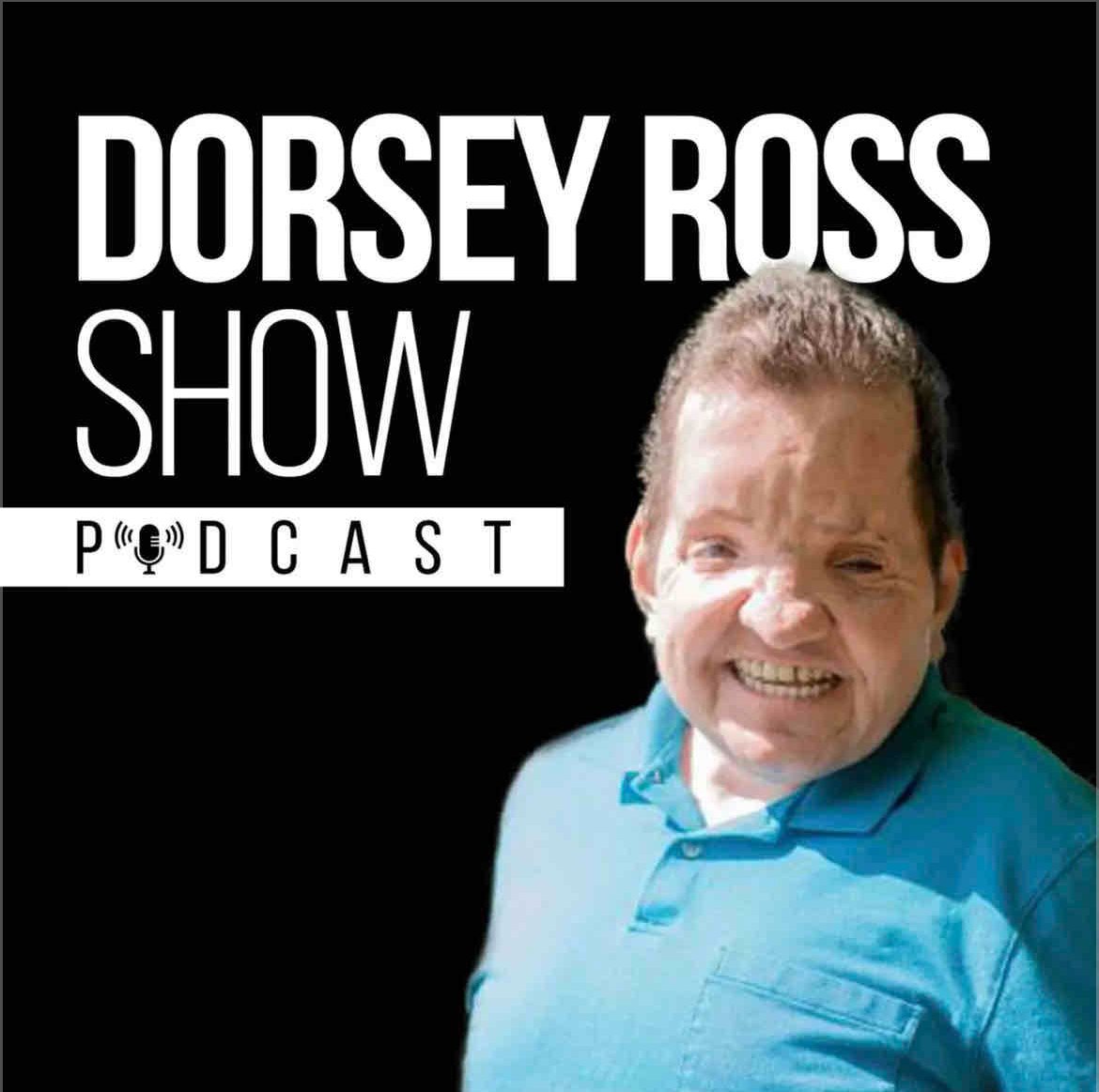
Transforming Disability Narratives: Insights from Daniel Hodges
Disability is often discussed in terms of limitations. But what happens when we look beyond those limitations and focus on the person, their story, and their potential?
That was one of the themes that stood out to me during my conversation with Daniel Hodges, president and co-founder of the Peaces of Me Foundation and a passionate advocate for accessibility and authentic inclusion.
Daniel has experienced many of the challenges that come with living with disabilities, including chronic pain, health complications, and the assumptions that society can place on people simply because they have a disability. But rather than allowing those experiences to define what he could accomplish, Daniel used them as motivation to advocate for others.
Our conversation touched on disability, education, relationships, self-worth, advocacy, and the importance of challenging the expectations that others sometimes place on us.
Meet Daniel Hodges
Daniel Hodges is the president and co-founder of the Peaces of Me Foundation, a nonprofit organization focused on changing perceptions surrounding disability and promoting greater accessibility and inclusion.
Daniel also lives with Ehlers-Danlos syndrome and retinitis pigmentosa. His personal experiences have given him a unique perspective on the challenges people with disabilities can face—not only physically, but also socially and emotionally.
His journey has included chronic pain, injuries, years of uncertainty surrounding his health, and eventually receiving a diagnosis that helped explain many of the challenges he had experienced.
But Daniel's story doesn't stop with his health.
He has continued pursuing education, personal growth, and advocacy while using his experiences to encourage others.
The Reality of Living With a Disability
Living with a disability can involve challenges that aren't always visible to other people.
For Daniel, his journey included chronic pain, multiple injuries, and a long road toward understanding what was happening with his body. Receiving a diagnosis of Ehlers-Danlos syndrome later in life helped provide an explanation for many of the physical challenges he had experienced.
But having an explanation doesn't necessarily make those challenges disappear.
Daniel talked about the impact that disability can have on everyday life and the importance of having people around you who understand that disability doesn't define your entire identity.
His story is a reminder that there is often much more to someone's life than what we can see on the surface.
Challenging the Assumptions People Make About Disability
One of the most powerful parts of my conversation with Daniel was hearing about the assumptions others made about what he could or couldn't accomplish.
Sometimes, people with disabilities aren't given opportunities because others have already decided what their limitations are.
Daniel experienced this firsthand.
Instead of allowing those expectations to determine his future, he continued pursuing his education and personal goals.
He earned his GED and went on to obtain a Juris Doctor as well as a master's degree in healthcare administration.
His educational journey is an important reminder that a disability does not automatically determine a person's potential.
Sometimes the biggest barrier isn't a person's disability.
Sometimes it's the expectation that they won't be able to succeed.
Advocacy Can Turn Experience Into Purpose
Daniel has taken many of the difficult experiences he has faced and turned them into a reason to advocate for others.
Through the Peaces of Me Foundation, he works to challenge misconceptions about disability and promote greater understanding of accessibility and inclusion.
That's one of the things I appreciated most about our conversation.
Daniel isn't simply talking about disability from an outside perspective. He's drawing from his own experiences and using what he has learned to help other people navigate challenges that he has already encountered.
Advocacy can be powerful because it can take something that was once a source of frustration and turn it into an opportunity to make things better for someone else.
Disability, Relationships, and Self-Worth
Our conversation also moved beyond education and advocacy and into something much more personal: relationships and self-worth.
Daniel spoke openly about the impact that disability can have on how someone sees themselves and the fear that their circumstances might make them less worthy of love or companionship.
After going through a divorce and facing additional health challenges, Daniel had to spend time rebuilding his sense of self.
One statement from our conversation particularly stood out to me:
"I'm trying to be the kind of man that the woman I would want to be with, would want to be with me."
I think there's an important lesson in that.
Instead of focusing entirely on whether someone else will accept you, there is value in focusing on becoming the best version of yourself.
Disability doesn't take away a person's need for companionship, love, friendship, or meaningful relationships.
And a person's disability should never be the only thing another person sees.
Looking Beyond the Disability
One of the biggest takeaways I had from talking with Daniel is the importance of seeing the whole person.
A disability may be part of someone's story, but it isn't the entirety of their story.
People with disabilities have dreams, goals, talents, personalities, careers, relationships, families, and ambitions—just like everyone else.
That's why conversations about accessibility and inclusion are so important.
Accessibility isn't simply about making physical spaces easier to navigate. It's also about challenging the assumptions that can prevent people from receiving opportunities in the first place.
Key Takeaways From My Conversation With Daniel
Resilience Matters
Daniel's journey demonstrates the importance of continuing forward even when circumstances are difficult.
Resilience doesn't mean that something isn't hard. It means continuing to pursue growth and purpose despite those difficulties.
Advocacy Can Create Change
Daniel has taken his personal experiences and used them to advocate for others.
Sometimes the experiences that challenge us the most can give us a deeper understanding of how we can help someone else.
Don't Let Other People's Expectations Define You
One of the most important lessons from Daniel's story is that other people's assumptions don't have to determine your future.
Someone else may see limitations.
That doesn't mean you have to see them too.
Self-Worth Goes Beyond Disability
A disability doesn't determine someone's value.
Learning to recognize your own worth can be an important part of navigating relationships, personal growth, and life's challenges.
Final Thoughts
My conversation with Daniel Hodges was a reminder of why I believe sharing people's stories is so important.
Everyone has a story, and sometimes those stories can challenge the way we see the world.
Daniel's story challenges us to look beyond disability and see the person.
It challenges us to question the assumptions we make about what people can accomplish.
And it reminds us that advocacy, resilience, and self-worth can play an important role in creating a more inclusive world.
I'm grateful that Daniel took the time to share his story with me, and I hope this conversation encourages someone else who may be facing their own challenges.
If you would like to hear the full conversation, check out my interview with Daniel Hodges on The Dorsey Ross Show.
