
The True Meaning of Separation of Church and State: Insights from a Documentary on Roger Williams
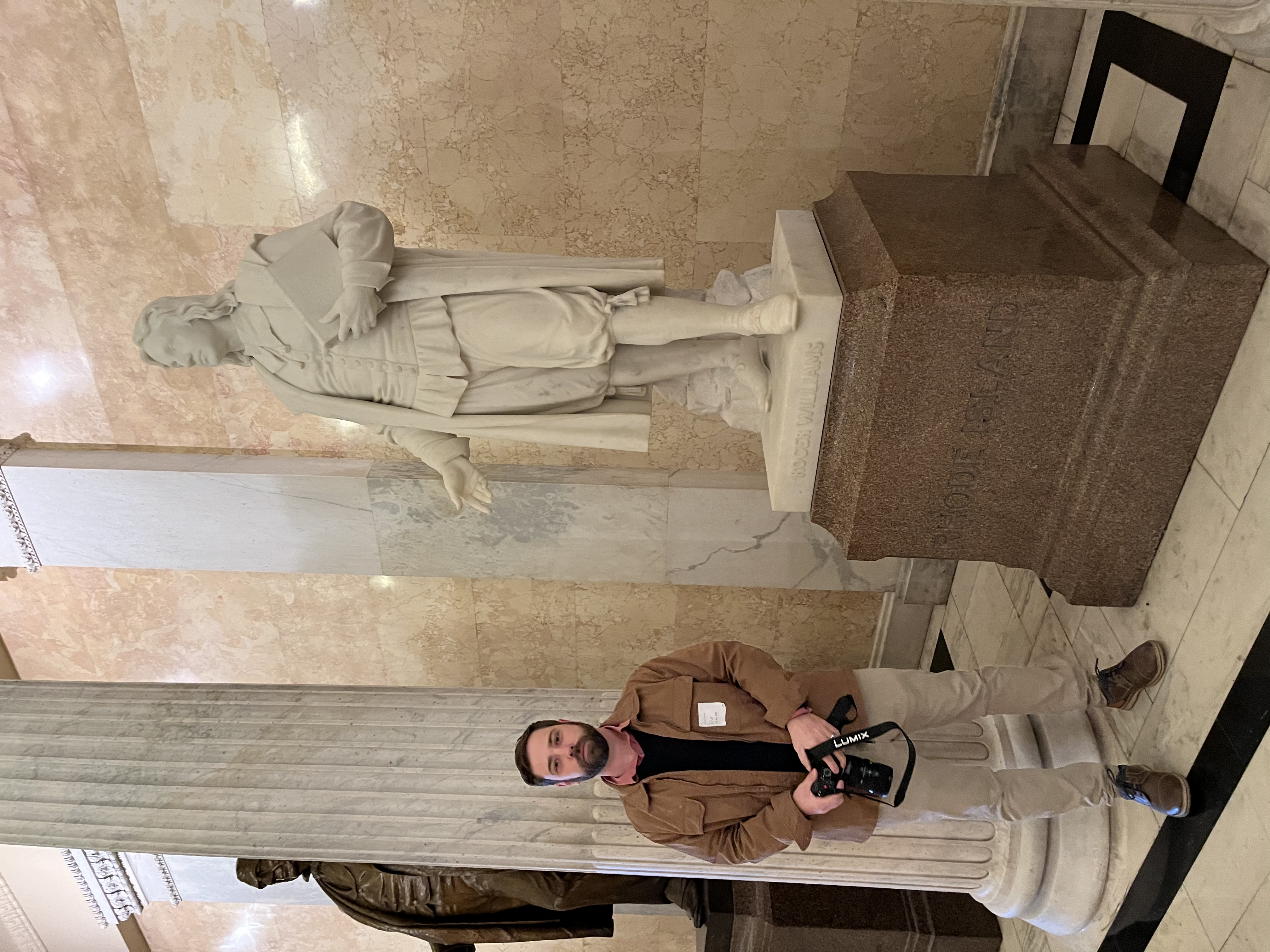
Are you confused about the real origin and purpose of the separation of church and state? Many misconceptions cloud this foundational principle of our nation. In this blog, based on a compelling interview with filmmaker Andrew Linn, you'll learn what the separation really means, its historical roots, and why it’s crucial for protecting religious freedom today.
Whether you're a history buff, a Christian interested in religious liberty, or someone curious about American ideals, this post will shed light on this misunderstood topic. We’ll explore how foundational leaders like Roger Williams shaped this principle, what it truly entails, and why it remains vital for a free society.
Let’s dive in to uncover the truths behind the separation of church and state — a cornerstone of American freedom.
--
Why Did the Separation of Church and State Come About?
The concept often gets misrepresented as a way to banish religion from public life. However, history reveals a different story. The film and interview emphasize that the original intention was to **protect religion from government interference, not to eliminate it.
Andrew Linn's documentary, Church and State, explores the roots of religious liberty, starting with Roger Williams — a man who believed in freedom of conscience and establishing a separation between church and state long before it became a universal principle.
Historically, many colonies like Virginia had tax-supported churches such as the Anglican church, which mandated contributions regardless of personal beliefs. This was a form of state-sponsored religion, which led to persecution of dissenters. Williams fought against this, advocating that government should not enforce religious laws or impose religious beliefs — a radical idea at the time.
The documentary clarifies that the principle was about **protecting religious freedom and preventing the tyranny of one denomination over another. It was never intended to do away with religion but to safeguard religious practice from governmental control.
Who Was Roger Williams?
Before diving into deeper principles, it’s essential to understand the man behind them. Roger Williams was a Puritan from England who came to the American colonies seeking religious freedom. He was a pastor and a political thinker who challenged the theocratic system of the Massachusetts Bay Colony.
Williams believed in soul liberty — the idea that religion is a matter of personal conscience and cannot be dictated by the government. He argued that imposing religion through law leads to hypocrisy and undermines authentic faith.
The colony leaders saw him as a radical because of his views on religious freedom for all, including Catholics, Jews, and Muslims, which was revolutionary for his time. They’d banish him for these beliefs, but Williams persisted, founding Rhode Island as a **colony rooted in religious liberty.
His key contribution was securing a charter that explicitly separated church and state, a first in world history. This charter made Rhode Island the first colony to establish religious freedom and disassociate government from religious authority.
How Does This History Inform Our Modern Understanding?
Many mistakenly think that the US was founded as a Christian nation or that separation of church and state means no religion in public or political life. However, the documentary and expert interviews clarify that the Founders intended for religion to be protected, not suppressed.
The First Amendment’s protection of freedom of religion was about defending religious practice from government oppression — *not* banning religion from the public square.
Historically, leaders like George Washington and John Adams emphasized that religion strengthens moral fabricand supports a healthy society. For example, Washington proclaimed a national day of prayer, illustrating that public expressions of faith were compatible with government.
The misunderstandinghas been perpetuated by education systems and media, suggesting that “separation” means no religion allowed in politics or at public events, which is false. Instead, the principle protects the ability to practice and express religion freely.
What Are the Implications for Today?
The film and interview highlight that the government should not be in the business of punishing or endorsing religion. Recent debates over prayers in schools or public displays of faith are based on misinterpretations.
Many believe the idea of freedom from religion is the goal—meaning religion should be excluded from public life. But the truth is, the First Amendment was designed to protect the free exercise of religion, allowing all faiths to flourish without interference or persecution.
The documentary emphasizes that religious liberty not only protects Christians but all faiths, including Jews, Muslims, and others. This broad protection ensures diversity of belief and freedom of conscience.
Why Does This Matter Now?
In recent years, there's been a rise in Christian nationalism, often misunderstood as trying to establish a theocracy. But the film clarifies that good Christian principles support religious freedom — not government-controlled religion.
Andrew Linn stresses that Christians should advocate for freedom of religion because it protects their rights and supports moral society.
Ensuring government stays neutral and respects religious diversity is critical for a free, flourishing society. It guarantees that faith remains a matter of personal choice rather than government mandate.
How Can We Foster Better Political and Cultural Discourse?
The interview wraps up with thoughts on civil debate. Andrew Linn encourages loving your neighbor, listening first, and respecting differing opinions — essential for navigating controversial topics, especially in today's polarized climate.
He emphasizes that love and patience, guided by the Holy Spirit, are the best tools for meaningful dialogue.
Final Thoughts: What Should You Take Away?
The key takeaway is that the original purpose of the separation of church and state was to protect religious liberty, not suppress religion. This foundational principle is about freedom — ensuring that faith can flourish without government interference and government remains neutral.
Christianity's role in America is rooted in freedom, moral responsibility, and respect for individual conscience. Embracing this understanding helps us appreciate our heritage and uphold the principles that continue to make America unique.
If you want to explore this topic further, watch the full documentary Church and State, available for free on multiple platforms. It's a valuable resource for anyone interested in the true history behind our nation’s founding values.
--
In summary: The separation of church and state was designed to protect religious freedom, not to banish religion from public life. Understanding the history behind this principle clarifies modern debates and helps preserve the liberties that make America great.
Stay informed, love your country, and cherish your religious freedoms.
