
Put God First
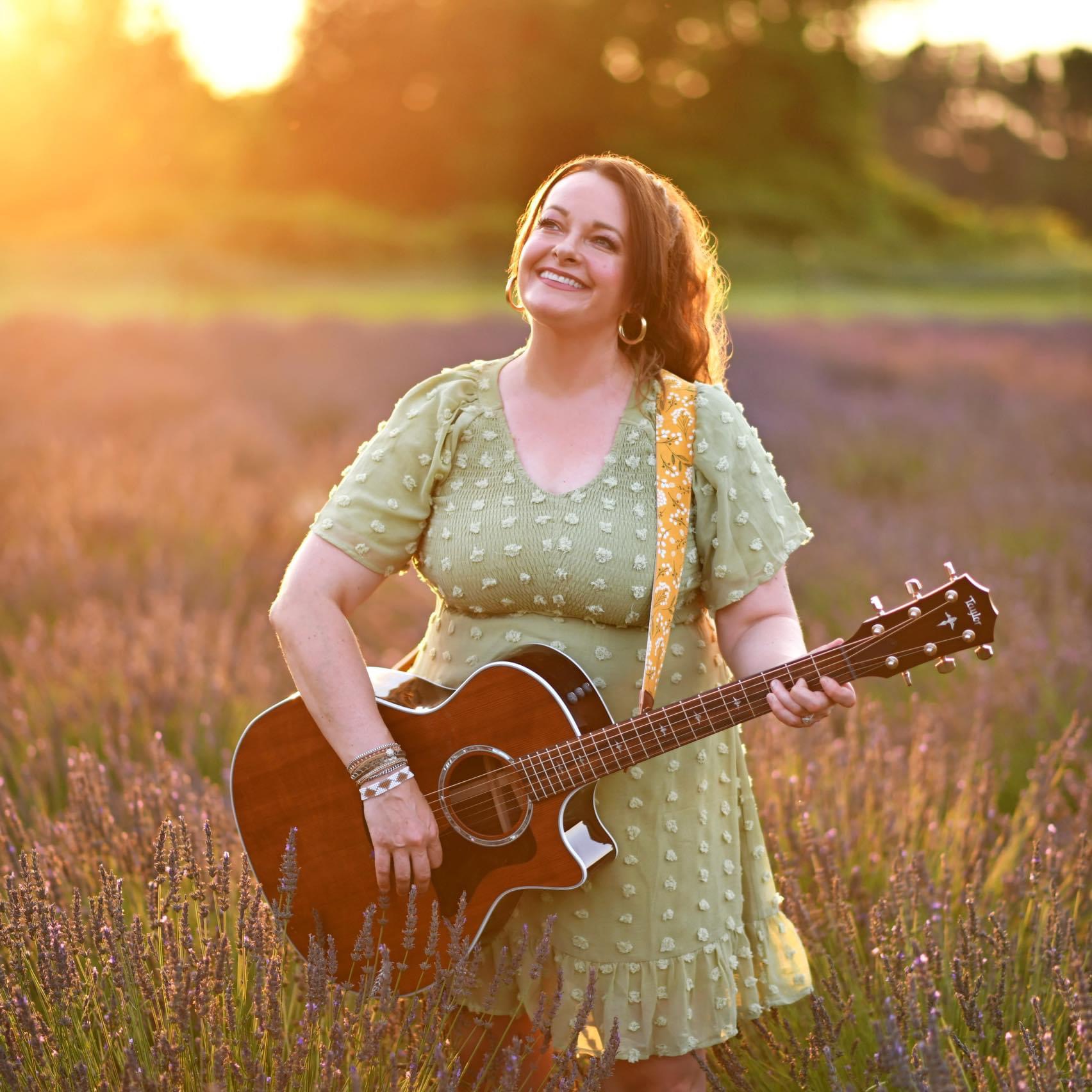
Christian worship music often gets reduced to a Sunday sound, but this conversation reframes worship as a whole-life practice. We hear the story of a wife, homeschool mom, worship leader, and recording artist whose calling grows from everyday faithfulness, not spotlight moments. Her journey starts early with singing and guitar, then turns serious when she begins leading music outside her local church and realizes songwriting is more than a hobby. For anyone curious about how Christian artists build a sustainable music ministry, her path highlights persistence, obedience, and the value of staying grounded while pursuing creative work.
A key theme is how musical influences can stretch beyond one Christian genre while still honoring God. She talks about growing up on Christian rock like Skillet and the energy of 90s faith-based music, while also appreciating trailblazers in worship and CCM. The takeaway is practical for listeners who feel “Christian music is boring” or too repetitive: there is a wide range of worship artists and lyrical depth if you know where to look. This is also a helpful reminder for aspiring worship leaders that style is not the mission; the mission is pointing people toward Jesus through excellent, honest songs.
The most moving part of the episode centers on pain, grief, and hope in songwriting. She shares how her youngest son once faced a severe speech disorder and was told he might never speak, then later experienced a complete turnaround, a testimony that reshaped her worship and gratitude. She also describes losing her father and writing an EP called “Carry You,” including a song she sang at his funeral that she wrote shortly before he passed. For listeners walking through grief, loss, or unanswered questions, her approach models how to tell the truth about suffering while staying anchored in Christian hope and an eternal perspective.
The episode also gets practical about balancing ministry demands with family needs. Between school schedules, travel, and events, she emphasizes intentional boundaries, learning when to say yes and when to say no, and treating stewardship as spiritual maturity. She describes songwriting as a muscle, built through practice, scripture, and capturing ideas quickly when inspiration hits. For emerging Christian music artists, her advice is clear: imperfect action is better than no action, start small, and trust God to multiply what you faithfully place in front of people. The conversation closes with identity and legacy, choosing to be a daughter of the King without the stage, and writing songs that encourage weary hearts in heavy times.
